

Transmitters
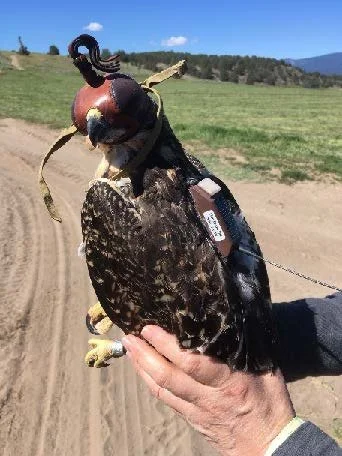
Modern tracking technology for raptors has advanced rapidly, allowing researchers to monitor movements with unprecedented detail using tools such as GPS tags, Motus radio transmitters, and cellular or GSM-based tracking units. These devices, which vary widely in size and capability, can record fine-scale locations, long-distance migrations, and real-time movements depending on the technology deployed. Because raptor species differ in their life histories, migration strategies, habitats, and overall body size, transmitters must be carefully matched to each species to ensure both the welfare of the bird and the quality of the data collected.
Remote Sensing
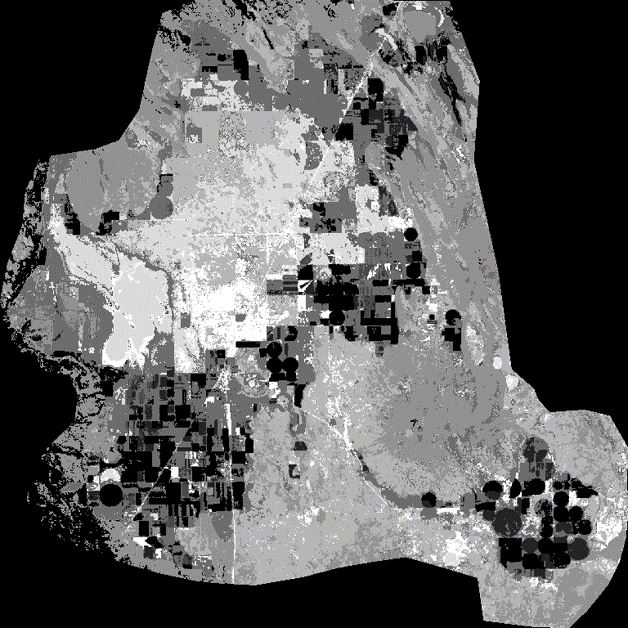
Modern technologies such as Google Earth Engine are transforming how scientists assess the global environment by providing rapid, large-scale analysis of satellite imagery and geospatial data that once took months or years to process. With its cloud-based computing power, vast data archives, and automated tools for detecting change, Earth Engine enables researchers to monitor forests, water resources, climate impacts, and land-use patterns in near real time. This unprecedented capability allows for faster decision-making, more precise environmental management, and a clearer understanding of how the planet is changing.