

Chris Vennum
https://www.chrisvennum.com/
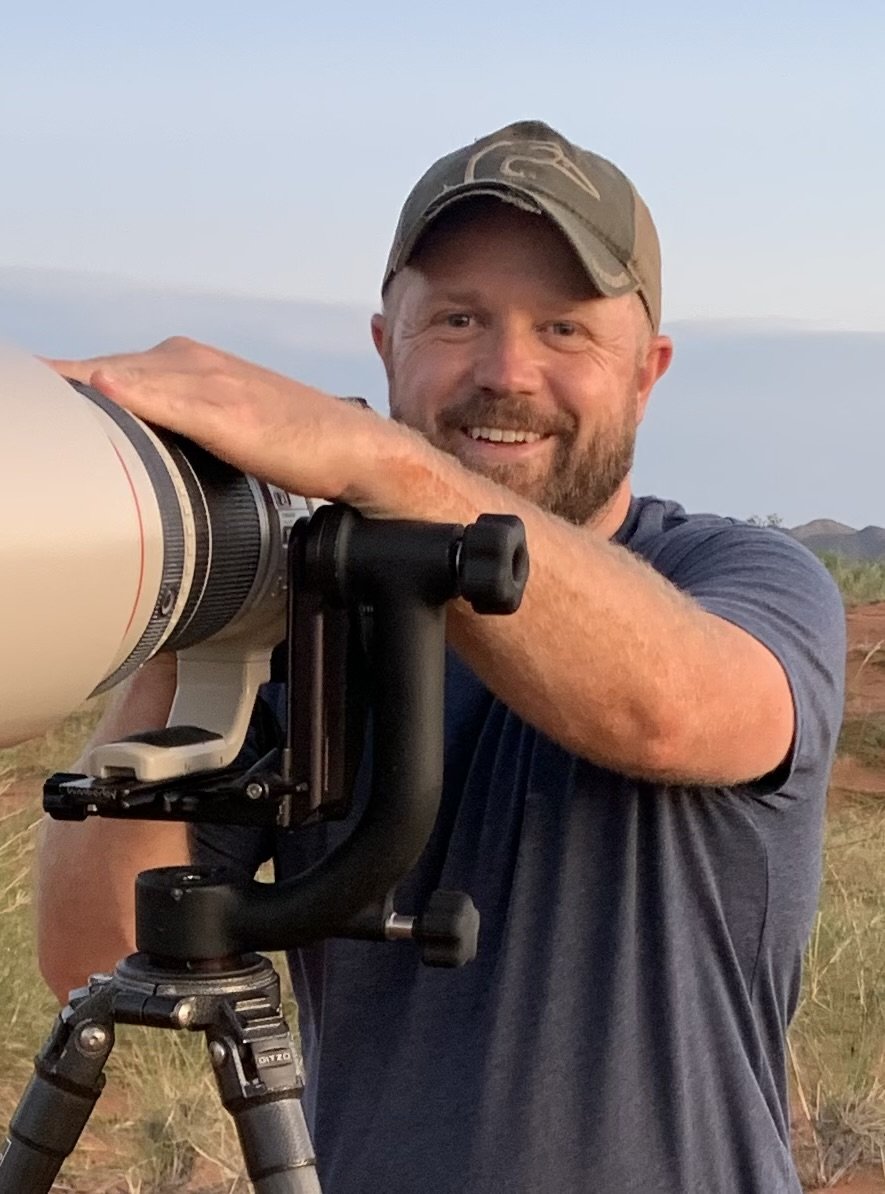
As a quantitative ecologist specializing in population and landscape-level modeling, I focus on understanding and mitigating human-induced impacts on birds of prey. My research develops sophisticated demographic and spatial models that translate complex ecological data into actionable conservation strategies. My previous work has examined the effects of modern agricultural practices on raptor populations, investigating habitat heterogeneity, toxicological impacts, and pesticide risks across diverse landscapes in the western United States.
Currently, I’m leading raptor movement research related to renewable energy development, with a primary goal of developing evidence-based strategies to minimize raptor mortality. In collaboration with the U.S. Fish and Wildlife Service, I’m also pioneering research that integrates predictive climate change data to forecast raptor population dynamics and inform management decisions. By combining advanced ecological modeling with innovative conservation approaches, my work addresses emerging challenges at the intersection of wildlife conservation, energy development, and climate adaptation.
Teresa Ely
https://www.teresaely.com/
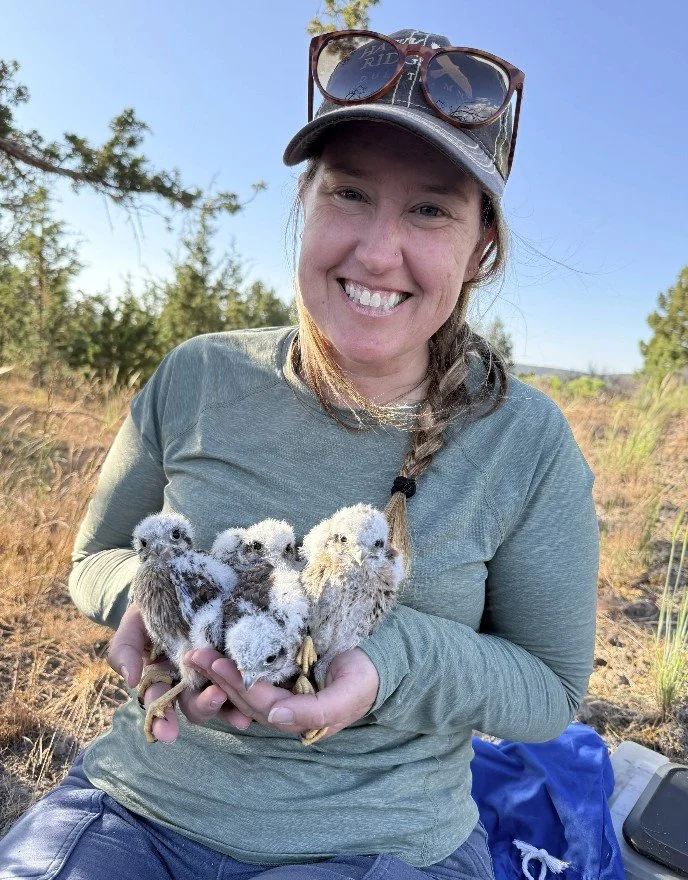
Leading independent studies on raptor movement ecology and conservation in California. This work combines decades of field experience with innovative tracking technologies, students, and community science, to better understand of birds of prey and inform conservation efforts.
For nearly a decade, I served as a senior biologist and master bander, managing large volunteer teams and overseeing long-term raptor banding and monitoring projects. A central part of my work was mentoring interns and volunteers, from building their fundamental field skills to helping them grow into confident researchers and conservation professionals. I developed and led research projects, designed new approaches to training and data collection, and fostered collaborations with partners across agencies and institutions. As the station’s permit holder of record, I maintained compliance for Bird Banding Lab authorizations and served as Principal Investigator on permits with the California Department of Fish and Wildlife, U.S. Fish and Wildlife Service, National Park Service, and the Institutional Animal Care and Use Committee. During this time, I became a North American Banding Council (NABC)–certified raptor bander trainer, furthering my commitment to supporting and inspiring the next generation of field biologists.
Chris Briggs
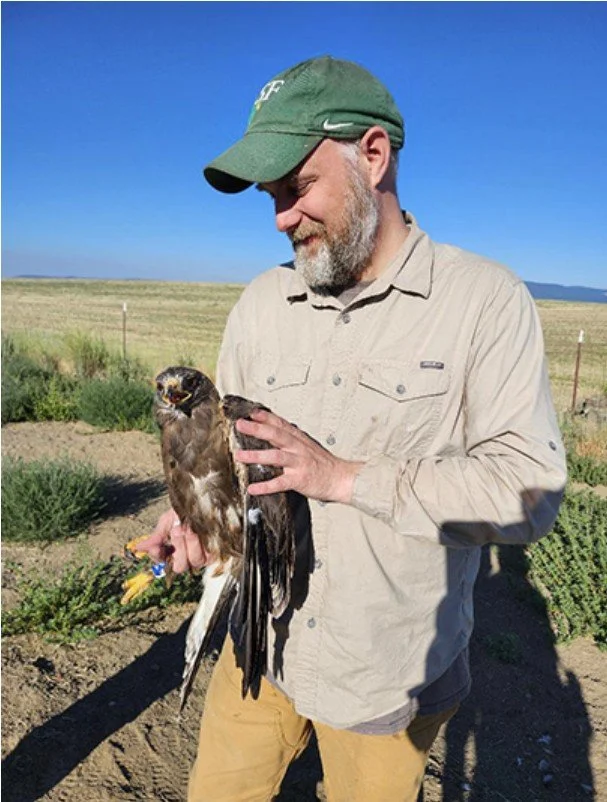
Beyond polymorphism research, my lab investigates how environmental factors shape population dynamics and demographic processes in bird populations. This includes examining how diet influences body condition and reproduction, how early-life conditions affect recruitment into breeding populations, and how anthropogenic landscapes—from agricultural intensification to urban heat islands—impact species persistence and adaptation. By leveraging unique long-term datasets, including a 45+ year study of California Swainson's hawks and a long-term white-throated sparrow population at Cranberry Lake Biological Station, this work addresses both fundamental questions about evolution and ecology and applied conservation challenges. Collaborative partnerships provide access to specialized techniques, from isotopic analysis of diet composition to advanced microscopy for reproductive trait assessment, enabling research that bridges traditional fieldwork with innovative analytical approaches.